Fulfillment with an integrated approach
How Karl Knauer combines packaging, co-packing and logistics
When interfaces become the problem
In many companies, packaging development and production, co-packing and shipping have historically been organised separately. What may appear efficient at first glance often leads in practice to increased coordination efforts, longer lead times and greater susceptibility to errors – particularly for promotional products, sets or seasonal campaigns.
With increasing product variation and rising demands in e-commerce, this issue is becoming even more significant. As a result, fulfillment is evolving from a downstream process into a critical success factor.
Integration instead of handovers
Karl Knauer pursues a different approach: packaging and fulfillment are not treated as separate disciplines, but developed as one connected process. Requirements relating to co-packing, handling and logistics are already taken into account during the packaging development phase.
“Many challenges do not arise within an individual process step, but at the interfaces,” says Tobias Munz, Senior Key Account Manager at Karl Knauer. “When packaging, co-packing and shipping are planned in isolation, friction losses occur. That is exactly where we come in.”
The aim is a seamless process chain – from structural design and co-packing through to shipping.
Co-packing as the operational centre
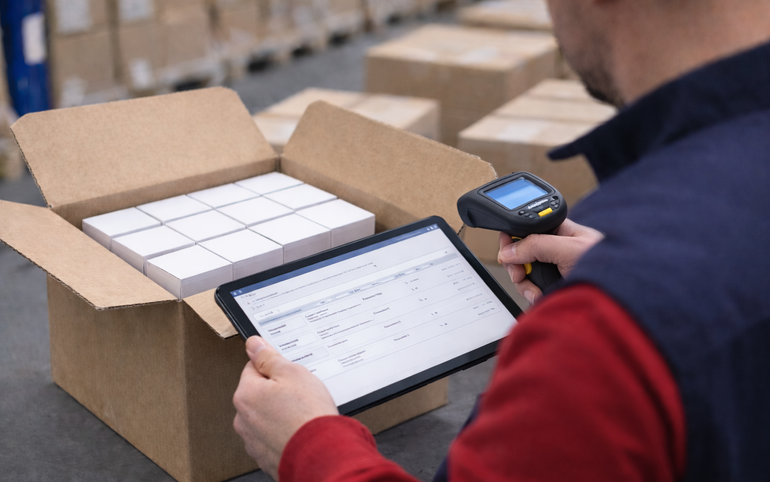
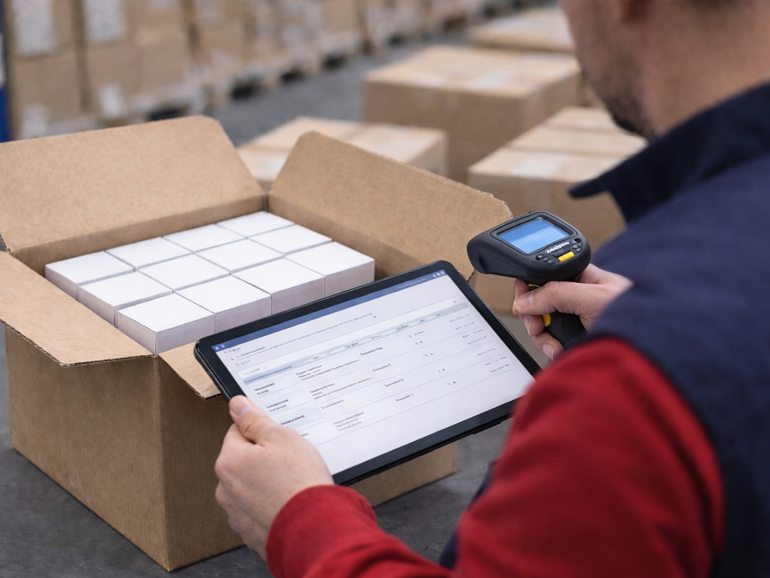
Co-packing is at the heart of this approach. This is where it becomes clear whether, for example, complex product sets can be implemented efficiently. Different components must be combined precisely, packed and prepared for dispatch – often under considerable time pressure and with varying quantities.
The strengths of integrated models are particularly evident in:
- value-added and promotional sets
- seasonal products with fixed time windows
- products with a high degree of variation
Thanks to the close integration of packaging production and co-packing, processes can be stabilised and lead times reduced.
Fulfillment becomes part of the brand strategy
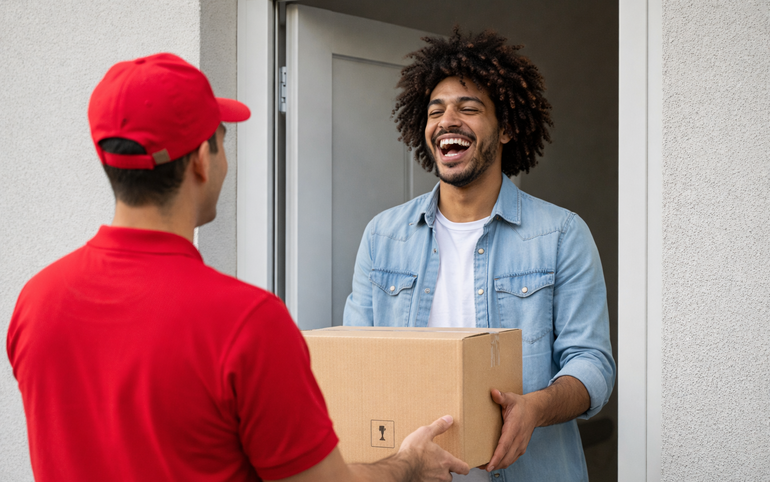
At the same time, dropshipping is becoming increasingly important – particularly in e-commerce and for campaign-driven products. Direct shipping from external fulfillment structures enables companies to respond flexibly to demand without building up their own warehouse capacities.
This is shifting the role of fulfillment: from a purely logistical issue to an integral part of brand and sales strategy.
Making complexity manageable
Complex set solutions such as advent calendars demonstrate how demanding integrated fulfillment processes can be. These combine numerous individual components, sophisticated packaging structures and tight deadlines.
For the Black Forest Advent Calendar by Funkhaus Ortenau, Karl Knauer handled the production of the packaging, co-packing and shipping. With more than 40 individual components, the project highlights the demands placed on precisely coordinated co-packing and fulfillment processes – particularly for seasonal products with high complexity and fixed launch windows.
Positioning between packaging and logistics
With this approach, Karl Knauer deliberately positions itself between traditional packaging manufacturers and fulfillment service providers. The focus lies on applications where both areas are inseparably linked.
For companies, this primarily means one thing: fewer interfaces, greater process control and increased reliability in implementing complex products and campaigns.
Karl Knauer clearly demonstrates that fulfillment is far more than just a logistical process – it is a decisive success factor for strong brands.